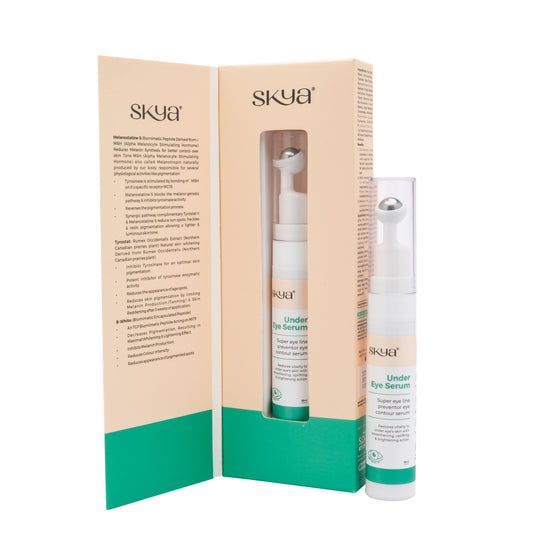
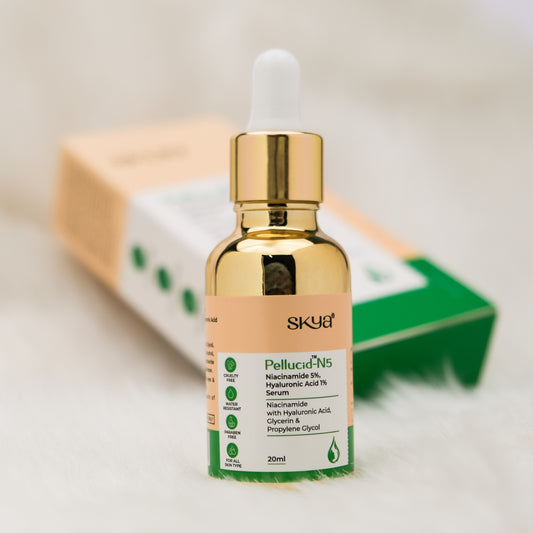
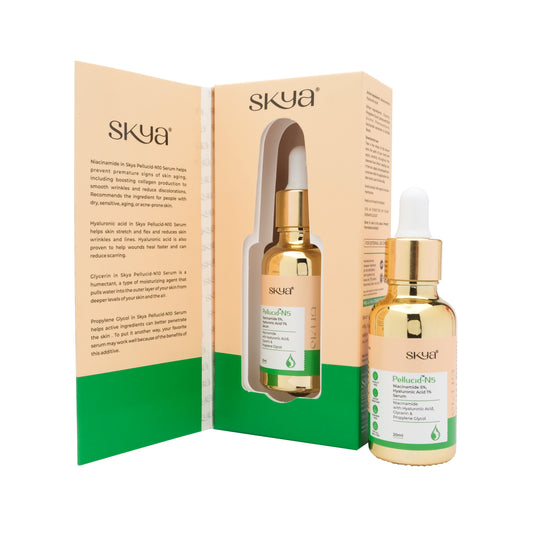

What is Cosmetic Third-Party Manufacturing? A Complete Guide for Brands in India
Wished you could start your skincare or cosmetic line—but then said no way, not with a factory involved to produce them?
You’re not alone.
There are a lot of budding beauty entrepreneurs in India who have amazing ideas for products, but they fear when they think about machinery, licences, and technical staff, etc., along with heavy investments. The good news? You don’t have to build a manufacturing facility to create a successful cosmetic brand.
That’s why cosmetic third-party manufacturing is available.
In this comprehensive guide, we’ll unpack what it is, how it works, why it’s exploding in India, and whether it makes sense for your brand.
What is Cosmetic Third-Party Manufacturing?
Cosmetic third-party manufacturing (otherwise known as contract manufacturing) is the practice of having a third party manufacture your cosmetic products, instead of doing it yourself.
In simple terms:
- You own the brand.
- The manufacturer makes the product.
You are focused on brand development, package design, and market positioning in addition to selling. The third-party manufacturer will handle all aspects of the product: developing the formula; producing the product; testing the product; complying with government regulations; and manufacturing in bulk. It's not that you own a factory; it's that you have access to one.
Why Is Third-Party Cosmeticals Manufacturing So Popular in India?
The Indian cosmetics and personal care industry is growing quickly. The demand for herbal skincare products to be developed increases at every price point — from low-end to high-end, including the demand for dermaceuticals such as medicated skincare.
Here are five key reasons why third-party manufacturers have been so successful in India over these recent years:
- Lower costs to start a business
- Ready resources through experienced chemists and formulators
- State-of-the-art facilities for manufacturing
- Desire for herbal products and natural forms of cosmetics
- Excellent export opportunities
This approach allows a startup or small to medium business to participate in the cosmetics industry while minimizing the amount of risk taken and being able to change and take advantage of new trends.
Behind the Scenes of How Third-Party Manufacturing Works in the Cosmetic Industry
Follow along as we explain how to create your own product through a simple walk-through of the process.
- Start with Discussing Your Product Idea
How do you want your new product to look, feel, smell, etc.? Perhaps you want to start with your very own niacinamide serum, an anti-dandruff shampoo, or a herbal-based face wash..
- Formula & Sample Development
The manufacturer develops a sample. You smell it, you feel its texture, you apply it and see how well it works, what kind of packaging makes sense.
- Finalization & Documentation
Formulation, packaging, cost and GMP papers are completed.
- Bulk Production
Your product approved manufacturer produces your the item in a set quantity.
- Packaging & Branding
Your logo and label design on the packaging.
- Delivery
Then they ship you the final product.
It’s organized, it’s efficient and, done right, it can be streamlined.
What can you make with the products?
Third-party manufacturing in India is a quite common pracctise, and the third party manufacturers offer :
- Skincare (creams, lotions, serums, sunscreens)
- Haircare (shampoos, conditioners, hair oils)
- Soaps, Bodywash, Deodorants, personal products, etc.
- Herbal and Ayurvedic products
- Organic and natural cosmetics
- Derma and pharma-grade cosmetic products
Whether your brand is luxury, mainstream or premium plus: It can be tailored.
Key Benefits for Cosmetic Brands
Let's discuss why so many brands pursue this path.
- Low Capital Investment
No factory space, no machinery, no R&D labs, and not a single technical staffer required.
- Faster Time to Market
Using this pre-built setup, your product can go live a lot sooner.
- Professional Expertise
You gain access to experienced chemists, quality analysts, and regulatory teams.
- Scalability
And the product supply can be scaled up as demand does, without investing in new infrastructure.
- Reduced Operational Stress
Just leave the tooling to us so you can focus on growing your business.

What are the laws and regulations for Cosmetic Third-Party Manufacturing in India?
What are the regulations surrounding cosmetic third-party manufacturing?
Although the manufacturer has the production license, it is required that the brand owner holds these:
- GST Registration
- Trademark Registration
- Compliance with Labelling
- Disclosure of Ingredients
- The Brand must adhere to the Indian Rules and Regulations for Cosmetics
Working with a Third-Party Manufacturer also creates less stress and complications with compliance.
Understanding the Cost Structure
The question that most people have is, "How Much Does it cost?"
From documentation to raw material cost, to packaging (either standard or premium), to the difference between custom/ready-made formulations, order quantities, and testing/certification costs, the total costs will vary.
Generally, the more you order, the lower your cost per unit; therefore, it is always advisable to discuss your complete cost breakdown with your manufacturer.
There Are a Few Potential Challenges to Be Aware Of.
There are many challenges in any business model; however, here are a few that you may encounter:
- Minimum Order Quantity (MOQ) Requirements
- Reliance Upon Manufacturer Timelines
- Maintaining Consistency in Product Quality
- Communication Gaps
These challenges can be mitigated by selecting your partner carefully and choosing one that operates with honesty, integrity, and directness.
Is There a Profit for the Brand in Cosmetic Third-Party Manufacturing?
Yes, when executed properly, there is a profit to be made.
Your profit depends on:
- Strong Branding
- Competitive Price Points
- Effective Marketing Strategy
- Distribution Strategy
- Product Quality
With the Capital expenditure in manufacturing being low; therefore, you are able to allocate more funds toward brand building and customer acquisition.
A number of successful Indian beauty brands have been built on third-party manufacturing and have gone on to do much more.
Frequently Asked Questions for Cosmetic Third-Party Manufacturing:
Ques. What is the MOQ in Cosmetic Third-Party Manufacturing?
Ans. MOQ (Minimum Order Quantity) 20pcs, it'll be better if the QTY is over 500pcs. This ranges from 500 to 5,000 units per product. A few suppliers are willing to negotiate flexible MOQ for start-ups or smaller players, while other bigger venues might need more commitments in order to supply everything at a cost-effective price.
Ques. Will it take a long time to produce cosmetic products?
Ans. Production time typically runs 15 to 45 days. This is subject to the complexity in formulation, packaging availability, quantity ordered , and regulatory documentation. Bespoke blends can take longer because they will need to be developed and tested for samples.
Ques. Can I design my own custom cosmetic product?
Ans. Yes, most makers provide custom formulating services. Ingredients, texture, scent, and performance can all be customized. Their R&D team creates samples for approval prior to bulk production starting, ensuring your product matches your vision of your brand.
Ques. Is a license required to sell cosmetic products in India?
Ans. Yes, there are a few compliances like GST registration, Trademark Registeration and labeling std which the brand owner should make sure are followed up correctly. Although producers own the production licence, sellers must adhere to Indian cosmetic law regarding marketing and distribution.
Ques. Can I trust the safety and reliability of third-party cosmetic manufacturing?
Ans. It is very reliable when working with certified and experienced producers. Quality-controlled ingredient testing and regulation of our products are designed to ensure the safety of cosmetic products for everyone.
Ques. Can I ramp up production if I get traction with my brand?
Ans. Absolutely. Scalability: One of the greatest benefits of using third-party manufacturing. With growing demand, production can be ramped up without any extra investment in infrastructure from you.
Ques. How to save my business concept idea, formula brand?
Ans. You can have NDAs and manufacturing contracts that spell out confidentiality. This is how you safeguard your product formulation, brand concept, and intellectual property against abuse.
Ques. Is the cosmetic third-party manufacturing business profitable while we are starting?
Ans. Yes, it reduces startup cost and business peril dramatically. And by concentrating on branding and sales rather than the building of manufacturing, startups can take bigger profit margins to market faster.
Final Thoughts
A few things you need if you want to start a cosmetic brand in India, and are afraid that it is challenging to do all the factory setup & complicated production, then this article will drive you to your destination.
It lowers risk.
It reduces investment.
It speeds up your launch.
So you can get on with growing your brand.
India’s beauty market is growing at an unprecedented rate, while consumers continue to push for new products – it’s never been such a dynamic time to enter the industry.