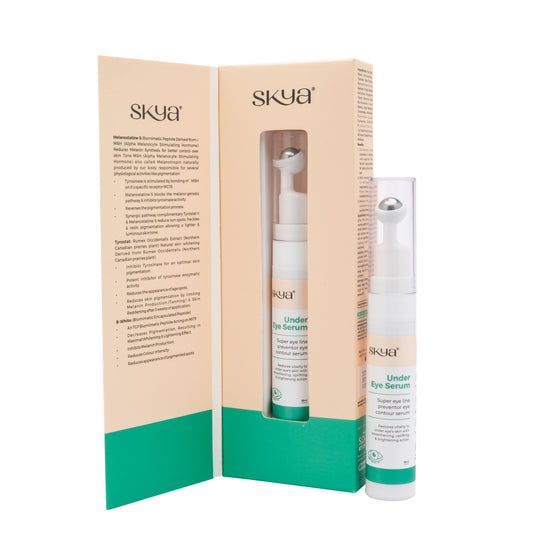
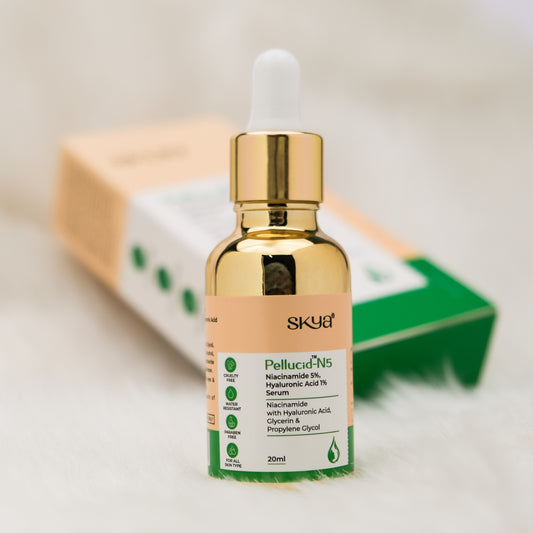
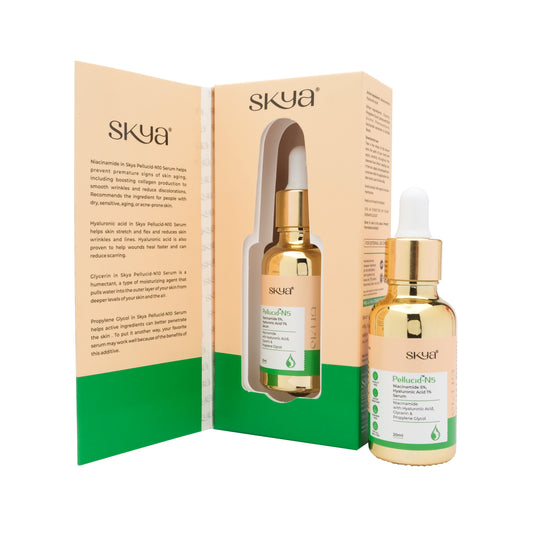

Today, the decision over Third-Party Manufacturing vs. In-House Manufacturing for Cosmetic Brands — Pros & Cons is a very important one. It is a decision that affects not only costs but also growth potential and the brand's identity. Besides, depending on whether you are starting a skincare business or expanding an already known cosmetic brand, the manufacturing model you adopt will be the factor deciding your product's market release speed, your quality control, and ultimately your profitability. In fact, the cosmetics industry is projected to grow rapidly, and the global figure is set to reach $450 billion by the year 2027. Therefore, brands must carefully choose the approach that is most in line with their long-term objectives, after a deep evaluation of both approaches.
Third-Party Manufacturing in Cosmetics
Third-party manufacturing is also referred to as contract manufacturing or private label cosmetics, and it is a method whereby the production is outsourced to a manufacturer. These manufacturers handle the entire process, including formulation, production, packaging, and compliance.
Major Features:
- The manufacturer already has the necessary setup and is certified by GMP
- Development of new products will be quicker
- You will have fewer tasks to worry about
Industry statistics reveal that a lot of new cosmetic brands depend on third-party manufacturers to be able to launch their product within a matter of weeks, if not days, whereas it usually takes months or even years.
In-House Manufacturing in Cosmetics
In-house manufacturing means that you make cosmetic products at your own factory or premises, and you also have your own equipment, employees, and research and development team.
Major Features:
- You have complete control over formulations and quality
- Strong protection of intellectual properties
- Very high initial cost and operational complexity
This model is the typical adoption of large, well-known brands that have a steady market demand and strong financial capability.
Advantages of Third-Party Manufacturing
1. Capital & Risk Reduction
By outsourcing production, companies can avoid making large capital investments in machinery, facilities, and personnel.
2. Shorter Time-to-Market
Brands can swiftly launch new products by leveraging the facilities that are already available - a very important aspect in industries where consumer preferences change rapidly, like beauty.
3. Knowledge and Skills
Contract manufacturing firms have not only skilled chemists but also R&D teams and regulatory compliance departments.
4. Flexibility
Companies have the option to increase or decrease production according to market demand without being concerned about the production capacity that is not being utilized.
Disadvantages of Third-Party Manufacturing
1. Reduced Control
Brands may have limited visibility into the day-to-day manufacturing operations and quality control.
2. Outsourcing Risks
If there are problems within the supply chain or disagreements, it can affect the production.
3. Limitations on Product Trials
There is a possibility that minimum order requirements will deter trying out new products.
4. Risk of IP Leakages
The risk of intellectual property breach is higher when formulations are shared unless contracts are extremely well done.
Advantages of In-House Manufacturing
1. Total Quality Assurance
Manufacturers can oversee and control each step of the process - from sourcing raw materials to completing packaging.
2. Greater Creativity & Tailoring
Having an internal R&D department allows for quicker trial-and-error as well as the development of unique product formulations.
3. Enhancing Brand Identity
Products that are available only through a specific brand can be crucial in identity building.
4. Cost-Saving in the Long Run
Once the scale is big enough, there can be a substantial decrease in unit cost.
Cons of In-House Manufacturing
1. Large initial investment
You need a lot of money up front to put a factory in place.
2. Operational administration
Keeping track of your team, the law, purchasing, and moving goods can be a very daunting task.
3. Take a long time to get to the market
Building a factory and getting regulatory approvals may force you to postpone your product release by months or even years.
4. Greater risk
You still have to pay fixed costs even if there are periods of low demand.
Comparison: Third-Party vs In-House Manufacturing
|
Factor |
Third-Party Manufacturing |
In-House Manufacturing |
|
Investment |
Low |
High |
|
Control |
Limited |
Full |
|
Time to Market |
Fast |
Slow |
|
Scalability |
High |
Moderate |
|
Risk |
Lower |
Higher |
|
Customization |
Moderate |
High |
Latest Trends in Cosmetic Manufacturing
1. Rise of Private Label Brands
Many D2C cosmetic brands are using third-party manufacturing to launch their products quickly and test the market.
2. Hybrid Manufacturing Models
Some brands start by outsourcing, and then they gradually move to in-house production when demand becomes regular.
3. Clean Beauty & Compliance Focus
To fulfill consumer needs, manufacturers are now providing organic, vegan, and cruelty-free certifications.
4. Tech-Driven Manufacturing
Automation and AI improve quality control and production efficiency in both models.
Industry Insight
"Outsourcing reduces capital expenditure and allows faster launching, while at the same time, in-house is for maximum control and IP protection."
Choosing the Right Model
You decide between third-party and in-house manufacturing depending on:
Budget: Outsourcing is better for startups
Control Needs: You need in-house if you want to keep the formulations secret
Scale: Brands with very high production volume may prefer in-house
Speed: For fast launch, third-party is the way to go.
Conclusion
Each manufacturing model has its own merits. Deciding on the best one depends on your business aims, available resources, and stage of growth. Third-party manufacturing facilitates quickness and adaptability, whereas making products in-house gives you more control and efficiency over the long haul.
If you want trustworthy and scalable cosmetic manufacturing, Skya Transdermic can help you get third-party manufacturing services that are especially designed for contemporary beauty brands. Their team of experienced professionals can help you keep up with quality and compliance while getting your product to market quickly.
FAQs
Which is better for startups: third-party vs. in-house manufacturing?
Usually, third-party manufacturing works best for startups as it requires a smaller investment and allows for quicker market entry.
Is outsourcing manufacturing a safe choice for cosmetic brands?
It definitely can be as long as you choose to work with certified manufacturers and establish very clear quality agreements.
If I start with third-party manufacturing, can I switch to in-house later?
Definitely! In fact, it is quite common for brands to outsource production at the beginning and then bring it in-house when they scale up.
Is it certain that in-house manufacturing will produce higher-quality goods?
No. Quality depends on how things are done and on the skills of the people involved, and compliance - it is not only about having a production facility.
What are the major risks associated with third-party manufacturing?
The most important risks are the dependence on the vendor, irregularities in quality, and intellectual property issues.