

In the past few years, it's been evident that India's personal care industry (cosmetics) is poised to grow at a fast pace, aided by the growing consciousness of consumers, increased interest in personal care items, and the growing availability of global and domestic brands. This boom in the cosmetics manufacturing industry also brings a great level of responsibility when it comes to ensuring product safety, quality, and compliance with the applicable regulatory requirements.
Understanding and adhering to the applicable regulatory standards for cosmetic manufacturers operating within India is essential for any business looking to build up its credibility/integrity and avoid legal trouble. A few of the agencies which govern this sector include; The Central Drugs Standard Control Organization (CDSCO) and the Bureau of Indian Standards (BIS). These organizations are responsible for enforcing compliance against the applicable laws and regulations.
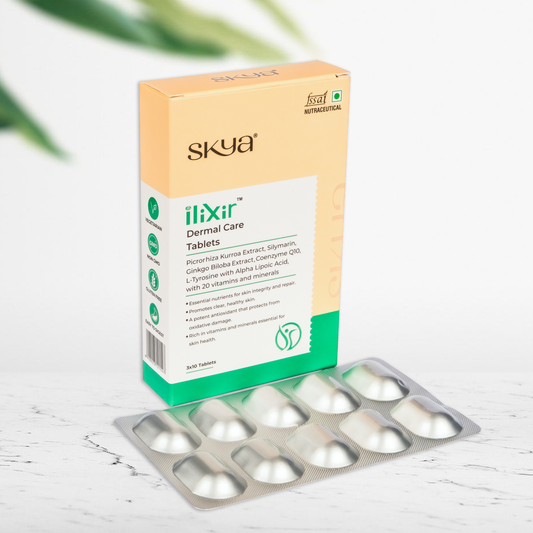
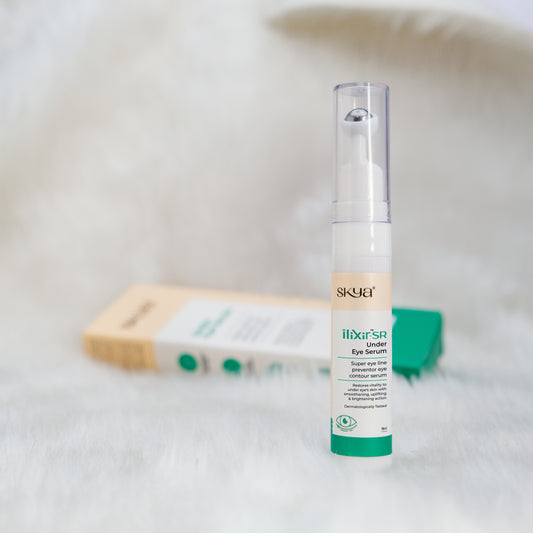
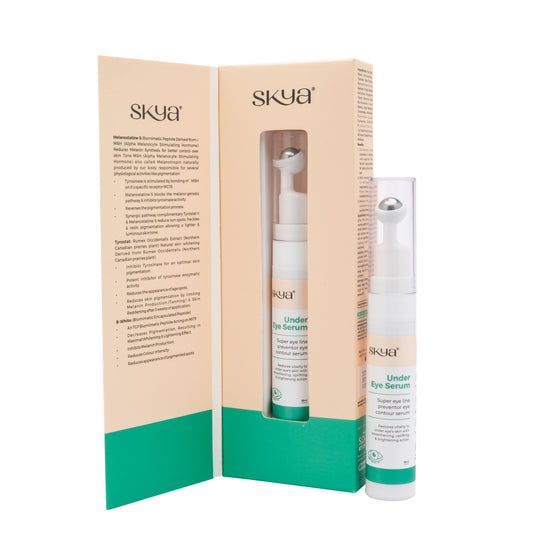
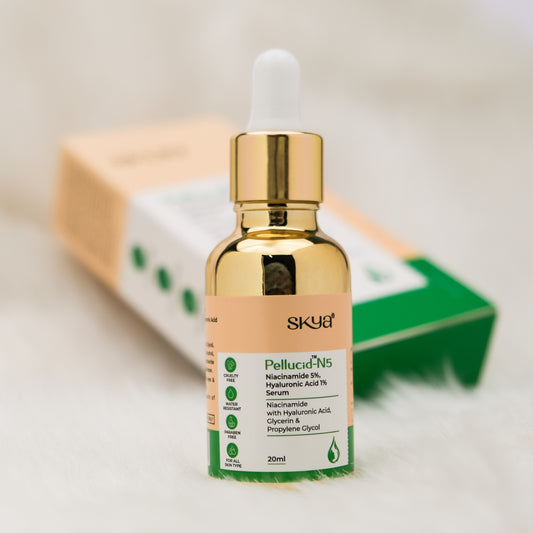
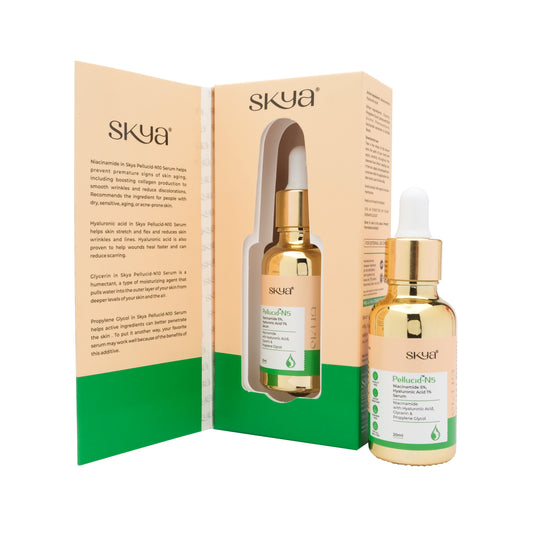
Skya Transdermic is one of the best cosmetics manufacturers in India and they are an excellent example of how complying with the regulations relative to the manufacturing of cosmetics, shows that the products are made with high-quality standards, consumer/brand confidence and ultimately long-term competitive market success.
Overview of Cosmetic Regulations in India
In accordance with the Drugs & Cosmetics Act of 1940 and the Drugs & Cosmetics Rules of 1945, the drugs & cosmetics regulatory framework governs the manufacture of cosmetics in India and defines a cosmetic product and its manufacturing, labelling, distribution and import rules.
The regulatory system consists of federal and state governing bodies regarding cosmetics. While the Central Drugs Standard Control Organization (CDSCO) oversees national approval and compliance, the individual states accordingly issue licenses for manufacturing. The dual regulatory system of manufacturing ensures that both products comply with governmental standards of safety and the legal requirements of operating prior to reaching consumers.
All manufacturers of cosmetics produced in India are under the same statutory requirements set forth by the Indian Government and thus must comply with all the laws and regulations enforcing these requirements.
Responsibilities of CDSCO to Manufacturers of Cosmetics
The CDSCO is the statutory regulatory agency that oversees the safety and quality of cosmetics in India. The following describes specific responsibilities of the CDSCO regarding the manufacturing of cosmetics:
- Approval of the importation of cosmetics
- Regulation of product safety standards for cosmetics
- Monitoring adverse effects of use of cosmetics and compliance with applicable laws and regulations by the manufacturer
- Ensuring compliance with specifications for packaging and labeling of cosmetics
Manufacturers must conduct themselves in accordance with the manufacturer's guidelines, particularly as it pertains to imported raw materials and finished goods. Non-compliance will result in a manufacturer recalling the product, incurring monetary penalties or limitations on the manufacturer entering the market.
For manufacturers such as Skya Transdermic, strict compliance to CDSCO standards will ensure that every package of product that is manufactured for sale will have met established minimum standards of safety for use by the consumer.
Cosmetic Products and the Bureau of Indian Standards (BIS)
Quality standards for cosmetics have been developed by Bureau of India Standards (BIS). Many BIS standards are not mandatory but are heavily used to ensure the consistency, safety and efficacy of a product.
Why are the BIS Standards Important?
- Establish acceptable ingredient limits
- Ensure product safety and stability
- Establish guidelines for testing of products
- Increase consumer confidence in products
The BIS Standards also apply to the production of cosmetic products such as skin creams, shampoos, and hair oil where product safety and quality are vital. By adhering to BIS guidelines, manufacturers are able to demonstrate their commitment to providing high-quality and reliable cosmetic products.
Requirements for Labeling Cosmetic Products in India
An important element of ensuring compliance with regulations is proper labeling of cosmetic product. The Drugs and Cosmetics Rules require very specific information to be on the label of all cosmetic products.
What Information is Required on the Label?
- The name of the cosmetic product
- The name and address of the manufacturer
- The batch number
- The date of manufacture and the date of expiry
- The net quantity of the product
Ingredient Disclosure/Identification
- All ingredients used in a cosmetic product must be listed by their official name (or INCI name)
- Any potential allergen, or harmful material, must be identified on the label.
Claims and Packaging
- The label cannot contain a misleading or untruthful claim.
- If any of the following terms is used on the label (“natural”/“organic”, or “chemical free”), the manufacturer must be able to substantiate that these claims are accurate.
Accurate labeling of cosmetic products provides more than just compliance, but also increases transparency and trust with consumers.
To manufacture cosmetics in India, dosing companies require a Manufacturing License from the respective manufacturer's State (Authority) Licensing Authority.
The Manufacturing License process requires:
- An Operating Manufacturing and Processing Facility
- A properly trained and qualified Technical Team
- Compliance With Current Good Manufacturing Practices
- A documented Formulation for every Product
The License application process involves an Inspection and verification to ensure that the Operating Facility meets the Safety and Quality Standards required for Environmental Protection and Proper Product Development.
If you are seeking to manufacture your Cosmetic Products without first obtaining a Manufacturing License, your Operations will be classed as Illegal Manufacturing Operations.

The Step-by-Step Compliance Process
Formulation and Testing of Cosmetic Products
All cosmetic products must be formulated and tested for safety and effectiveness prior to being sold to the market.
Documentation and Approval
Manufacturers of Cosmetic Products must prepare Documentation for each Product, including a list of ingredients, safety data, and Manufacturing Methods.
Labeling of Cosmetic Products
Before releasing Cosmetic Products into the market, Cosmetic Product Labels are required to be developed in accordance with regulatory guidelines.
Quality Assurance
To ensure the continued Quality and Compliance of Cosmetic Products, manufacturers of these products must perform Frequent Testing and Quality Inspections.
Market Authorisation
Upon completion of all above-listed steps, and providing all documentation is complete, the cosmetic product will be permitted for Sale in the market.
Common Issues with Cosmetic Compliance
Despite clearly defined guidelines and regulations for Cosmetic manufacturing, common Issues arise for manufacturers due to:
- The nature of the regulatory framework is very complex and difficult to keep up to date with frequent updates and changes to the guidelines.
- The potential of labelling errors on commercially released Cosmetic Products (inadvertently).
- The requirement of consistency of quality in the continued manufacture of Cosmetic Products.
Working with experienced manufacturers who thoroughly understand all regulatory requirements can alleviate many of the potential challenges faced by manufacturers of Cosmetics.
How Skya Transdermic Ensures Compliance with Regulations
The Indian Cosmetic Industry can count on Skya Transdermic for its commitment to regulatory compliance and assurance of quality.
- Primary Strengths
- Adherence to CDSCO and BIS
- Advanced manufacturing processes
- Transparent labelling practices
- Commitment to safety and innovation
Through maintaining high manufacturing/service standards, Skya Transdermic meets regulatory requirements and has built long-lasting consumer/trust through these activities.
Advantages of Compliance with Regulations
There are many advantages to complying with regulations:
- Enhances consumer safety
- Builds brand credibility
- Decreased risk of lawsuits
- Facilitates an easier time to enter the marketplace
- Increased product quality
Compliance with regulations is not only legally required; it is also very beneficial to your business.
Future Trends in Cosmetic Regulations
The regulations of the cosmetic industry in India continue to change. Major trends in the industry include:
- Focusing on clean/sustainable products
- More stringent labelling requirements
- Increase in transparency
- Digital tracking and compliance systems
To remain competitive, manufacturers will need to keep abreast of the changes that occur in the regulations of the cosmetics industry.
Frequently Asked Questions for Regulatory Requirements for Cosmetic Manufacturing in India:
What is required for Cosmetics to comply with regulations in India?
All cosmetics have to comply with the Rules/Acts of the Drugs and Cosmetics Act, the CDSCO Guidelines, various labels, hygiene and quality, etc., and keep documentation to market the cosmetic.
Is it necessary to have CDSCO approval for cosmetics?
CDSCO's (Central Drugs Standard Control Organization) approval is required for cosmetics, especially imported ones, as it provides regulatory control over cosmetics, ensures they are safe and compliant with the national regulatory framework prior to being sold in the Indian market.
What is the purpose of BIS certification for cosmetics?
The goal of the Bureau of Indian Standards (BIS) certification is to provide quality and safety standards for cosmetic products. BIS establishes acceptable limits of cosmetic ingredients as well as test methods to provide consistency in terms of consumer protection.
What types of information must be included on cosmetics labels?
Product name, name of the manufacturer, batch number, date of manufacturing and expiry, the list of ingredients and claims about the product should be clearly identified on the labels to comply with regulations.
What can manufacturers do to ensure they are compliant?
Manufacturers can ensure that they are in compliance by following CDSCO and BIS guidelines, maintaining proper documentation of their products, product testing and accurate labeling of all of their products.
Why is compliance necessary in the manufacture of cosmetics?
By ensuring that their products comply with all regulatory guidelines, manufacturers can be assured that the products they manufacture are safe for the consumer to use, that they will build consumer trust and confidence in their brand, that they will reduce the risk associated with lawsuits and that they will have a reputation that will be beneficial to their business in the long run.