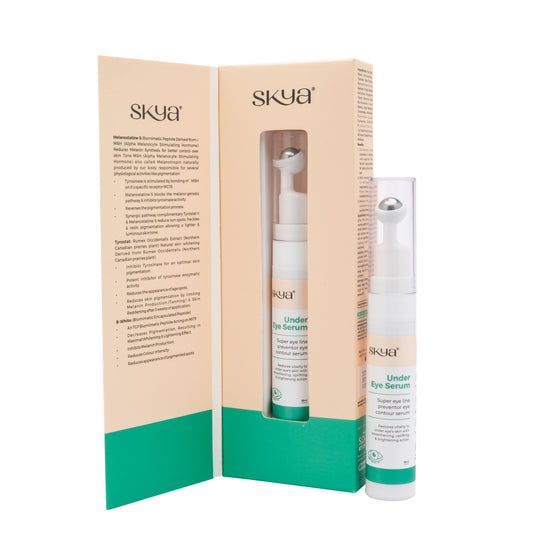
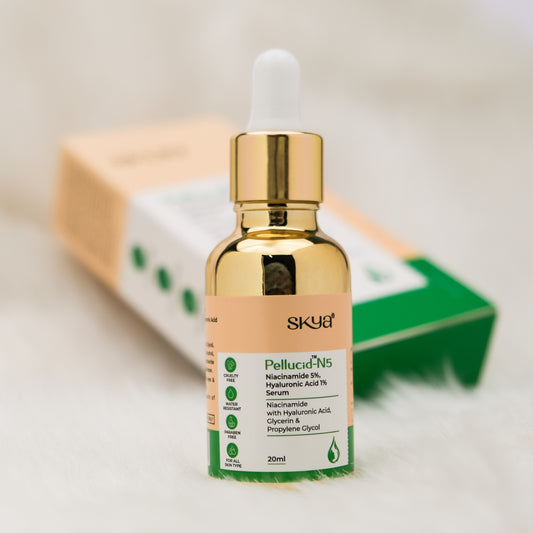
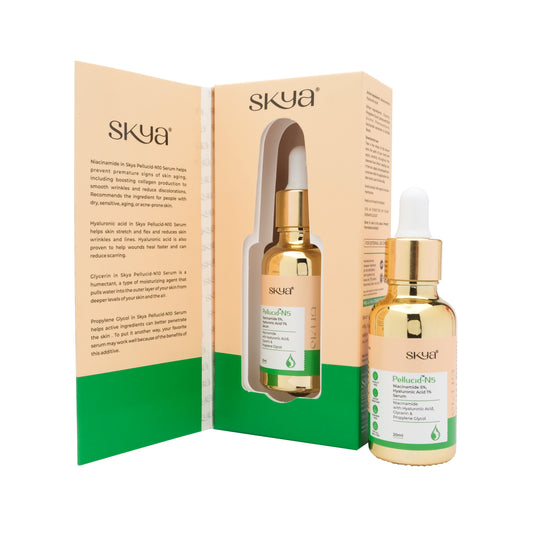

India is rapidly growing in the cosmetics industry, creating excellent opportunities for entrepreneurs to introduce their personal care and beauty brands to the market. Manufacturing cosmetic products is not easy in India. It requires research, manufacturing machinery, regulatory approvals, and an operational management system. But many new startups or small brands use third-party cosmetic manufacturing services to manufacture cosmetic products under their own brand name. Third-party manufacturers allow businesses to focus on product branding, marketing, and sales instead of formulation, production, packaging, and product quality.
This guide explains everything about how to start your own cosmetic brand with third-party manufacturing in India.
What Exactly is Third-Party Cosmetic Manufacturing?
It is a business model which helps new startups or small businesses to manufacture their cosmetic products under their brand name. Third-party manufacturers handle product formulations, production, testing, packaging, and quality control. They allow brand owners to focus on product marketing, sales, and business development instead of production. They manufacture different varieties of products like skincare, haircare, herbal cosmetics, creams, body lotions, and personal care products.
What Are the Steps to Start Your Own Cosmetic Brand in India?
Here, you can understand the step-by-step process to start your own cosmetic brand with a third-party manufacturer in India.

1. Conduct market research:
Market research is the first and most important step for any cosmetic brand. It is necessary to understand the preferences of customers before introducing your cosmetic product in the market. Research helps you to find market gaps and create a strong business plan.
Analyze these elements during market research:
- Market trends and consumer demand
- Competitor cosmetic products and price range
- Popular product categories
- Age group of targeted customers
- Product distribution channels.
2. Select your product categories:
It is essential to select the right cosmetic product segment because it determines manufacturing requirements, target customers, and helps you to build a strong brand identity in the market. Some popular product categories are skincare, haircare, herbal and Ayurvedic cosmetics, and personal care products.
3. Finalize your cosmetic brand name and identity:
Select your cosmetic brand name, which is easy to remember, unique, and relevant to your beauty products, because brand identity directly enhances customer trust and recognition. After confirming the brand name, create a brand logo, select colour themes, design product packaging, and also design product labels.
4. Select a reliable third-party cosmetic manufacturing company:
Choosing the right third-party manufacturer is important to manufacture standard-quality cosmetic products.

Select a manufacturer based on:
- GMP certification
- Experience in manufacturing cosmetic formulations
- Product quality testing procedure
- Product customization facility
- Packaging services
- Manufacturing capacity
- MOQ requirements
- R&D support
5. Develop formulations for cosmetic products:
After the selection of a manufacturer, finalize formulations for your cosmetic products. You have two options. Choose custom formulations if you want unique formulations according to your ingredients, fragrance, texture, and performance requirements. But if you want to launch your product faster at a low cost, choose ready-made formulations.
6. Register your brand legally and get licenses:
If you are thinking of introducing your cosmetic brand in India, then your brand must follow the Indian regulations before launching any product. Register your brand as a proprietorship, partnership, LLP, or as a private limited company. Obtain GST registration and trademark registration. Your brand must follow the Indian cosmetic standards and labelling regulations.
Cosmetic product labels include:
- List of ingredients used
- Manufacturing details
- Batch number
- Product expiry date
- Usage instructions
- Safety warnings
7. Select product packaging design:
Cosmetic product packaging design influences the customer buying decision. Premium packaging of cosmetic products improves product perception and sales performance. But packaging must comply with product labelling requirements.
Modern cosmetic packaging includes:
- Minimalist packaging design
- Eco-friendly materials
- Premium glass packaging
- Sustainable packaging solutions
8. Fix your budget and investment:
Investment in cosmetic products depends on product range, packaging standard, product branding, and production quantity. If you have less budget, then start your cosmetic business with a limited product range to reduce investment cost.
Cosmetics budget includes:
- Manufacturing cost
- Packaging cost
- Marketing cost
- Branding cost
- Logistics cost
9. Place your product manufacturing order:

After completing product formulation and packaging design, place the final manufacturing order for your cosmetic product. The third-party manufacturing process includes product approval, sample confirmation, manufacturing, quality testing, product packaging, and dispatch.
10. Launch and distribute your cosmetic product in the market:
After the completion of product production steps, you can focus on your product promotion and distribution method. You can use e-commerce platforms, social media marketing, a D2C website, and offline distribution to promote and distribute your cosmetic products in India. You can also promote your product through influencers, product demonstrations, paid ads, and educational content marketing.
What Are the Benefits of Choosing a Third-Party Cosmetic Manufacturer?
Some benefits of choosing a third-party cosmetic manufacturer for manufacturing your cosmetic products.
- It reduces the initial investment cost.
- It helps you to launch your cosmetic products quickly in the market.
- It provides experienced professionals to manufacture your cosmetic products.
- Provide scalability
- It allows you to focus on product marketing, branding, and distribution instead of manufacturing.
Conclusion
Manufacturing your cosmetic brand with a third-party manufacturer is the best option for an entrepreneur who wants to enter the cosmetic market with minimum investment. It allows you to focus on your product development, branding, and marketing instead of product production. If you are looking for an experienced third-party manufacturing company which helps you manufacture skincare and cosmetic brand products in India, contact Skya Transdermic.
FAQs About Starting Your Own Cosmetic Brand with Third-Party Manufacturing:
Q1. How much investment is required to start a cosmetic brand in India?
Ans: It depends on the product type, packaging standard, product quantity, and marketing costs. If you manufacture your cosmetic products with a third-party manufacturer, it reduces your investment cost.
Q2. Can I start my cosmetic brand without a manufacturing unit?
Ans: Yes, you can start your cosmetic brand with third-party manufacturing, which helps you in the production and packaging of your cosmetic products.
Q3. Which types of cosmetic products are manufactured through third-party manufacturers?
Ans: Third-party manufacturers manufacture products like skincare, haircare, herbal cosmetics, face serums, creams, body lotions, shampoos, and personal care products.
Q4. Which licenses are required in India to start a cosmetic brand?
Ans: Business registration, GST registration, trademark registration, and other compliance documents are required to start a cosmetic brand in India.
Q5. How long does it take to launch a cosmetic brand with a third-party manufacturer?
Ans: Third-party manufacturing will take a few weeks to a month to launch a cosmetic brand, depending on product formulation, sample approval, packaging design, and production timeline.