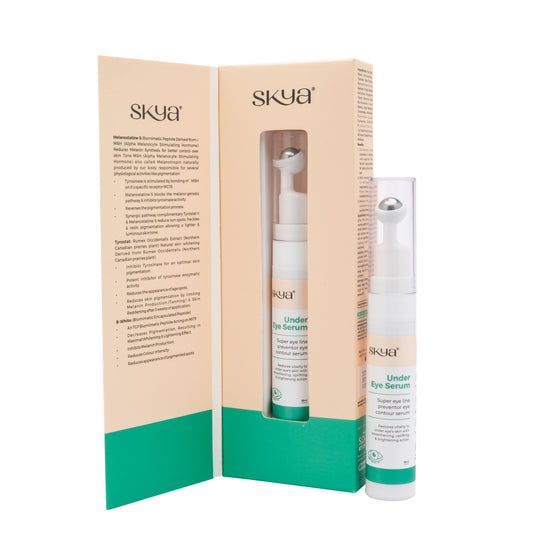
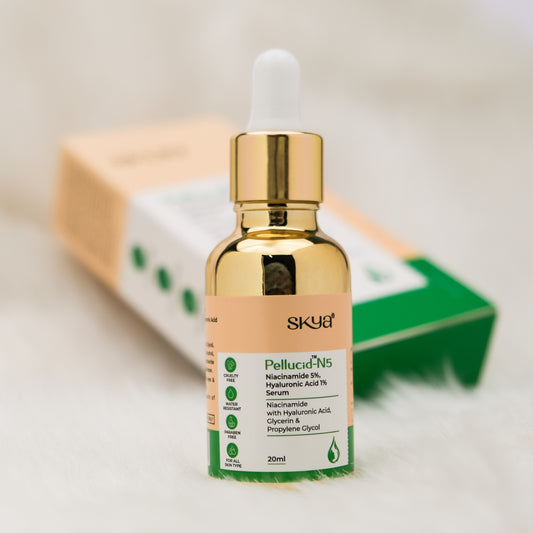
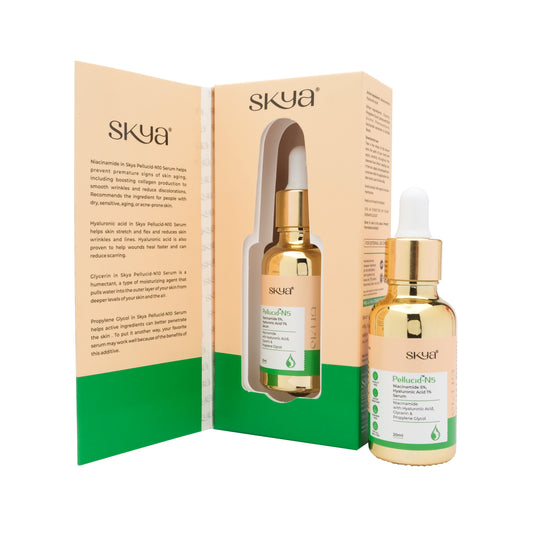

The world is rapidly growing in the beauty and personal care industry. Many new cosmetic brands are coming to the market day by day. Eventually, every brand can't set up its own manufacturing unit. When a cosmetic brand enters the market, the most important decision they have to make is how and where their product will be manufactured.This is where the third-party cosmetic manufacturing company comes into use.
These companies allow brands to produce their quality products without investing a single penny in the machinery. Third-party manufacturing companies are growing as the most reliable, efficient, and scalable way to create high-quality beauty and wellness products, especially for new startups and growing brands.
What Is Cosmetic Third-Party Manufacturing?
Third-party cosmetic manufacturing is the process in which a brand collaborates with a certified manufacturer to produce its product with its own brand's label and identity. The brand provides its ideas or requirements, and the manufacturer produces by handling formulation, ingredient sourcing, production, quality, packaging, and regulatory documentation.
Why Is Cosmetic Third-Party Manufacturing Growing Rapidly?
Due to the highly competitive market between brands, cosmetic third-party manufacturing is rapidly growing. Consumers are moving towards natural skincare, organic products, herbal activities, and scientifically supported beauty solutions. With these shifts, brands are looking for manufacturers who understand their needs, provide quality products, and offer:
- Lower startup cost.
- Faster product launch.
- Professional expertise.
- Reduce operational cost.
- Easy scalability.
Do You Understand the Step-By-Step Process of How Cosmetic Third-Party Manufacturing Works?
1. Market research and product planning:
Before contacting the manufacturer, you must decide which product you want to launch in the market. You must be clear about the product:
- Who is your target audience?
- Which problem did it solve?
- What makes your product unique?
- Which texture, fragrance, and ingredient theme did you use?
2. Choose the right manufacturer:
The right manufacturer determines your brand's future success.
When you are selecting a manufacturer, you must check:
- GMP and ISO certification.
- Experience in your product categories.
- Manufacturing capacity.
- Transparency in pricing.
- Product quality assurance system.
3. Product formulation and development:
This step offers two ways of formulation:
- Private label:
In this method, the manufacturer chooses the existing formulation and rebrands it for your product.
- Custom formulation:
In this method, the manufacturer creates a unique formula based on your requirements. It provides a strong brand identity, but it takes time.
4. Sample testing and approval:
In this step, you get a sample product before increasing production.
You must test the product:
- Texture and absorption.
- Fragrance load.
- Packaging durability.
- Skin compatibility.
- Performance.
5. Packaging and branding:
Packaging is not just a container; it is a silent brand ambassador of your product. In this step, you need to select pack formats, materials, and decorations for your product. You also finalized your logo placement and brand color in this step.
6. Regulatory compliance and documentation:
Cosmetic products need to follow some specific rules and regulations depending on the country.
The product packet must contain:
- Ingredient compliance.
- Product registration details.
- Safety data sheet.
- Lab testing reports.
- Batch documentation.
7. Bulk Manufacturing:
After the completion of all the above steps, the manufacturer starts major production activities to meet the requirements, then assigns the batch number to the product, and fills the container with your products according to the requirements.
8. Quality control and assurance:
A reliable manufacturing company performs strict quality checks to give the best quality products, such as
- Raw material inspection.
- In-process quality check.
- Final production testing.
- Microbial testing.
- Packaging inspection.
9. Labeling and legal information:
As the final stage of packing, products are labelled clearly, including:
- Ingredient list.
- Manufacturing date
- Expired date.
- Batch number.
- Usage instructions.
- Manufacturer details.
Providing incorrect information on the label leads to legal penalties.
10. Delivery and distribution:
It is the final step, in which cosmetic products are packed in cartons, the manufacturer arranges the shipment, and when the export documents are prepared, cosmetic products are delivered to brand owners, retailers, distributors, warehouses, and e-commerce fulfillment centers. From here, products are ready to enter the market.
Final Thoughts:
The cosmetic third-party manufacturing makes it easier for new startups and growing brands to manufacture their products without investing in machinery. By partnering with an experienced manufacturer, you can make your quality beauty products. If you want to manufacture the cosmetic product from a third-party cosmetic manufacturer, then follow all the steps that help you to convert your concept into cartons with quality, compliance, and consistency.
FAQs
What is cosmetic third-party manufacturing?
Cosmetic third-party manufacturing is a process where cosmetic brands collaborate with other manufacturing companies to manufacture their beauty products under their own brand's name and identity.
Is third-party manufacturing profitable?
Yes, it is profitable because it reduces the machinery cost and allows the brand to focus on its branding and sales.
What is the minimum order quantity for cosmetic manufacturing?
The quantity ordered of cosmetic manufacturing depends upon the manufacturer, but normally it ranges between 500 and 5000 units.
Can I create my own cosmetic formula?
Yes, you can use a custom formulation service to create your own formula to create unique products.
Is cosmetic third-party manufacturing safe?
Yes, third-party manufacturing is safe when you collaborate with certified manufacturers that follow Good Manufacturing Practice (GMP) and proper quality control procedures. Before collaboration, check the company certifications and ask for a product testing report.
What documents are required for cosmetic third-party manufacturing?
The documents required depend upon the country, but some common documents are:
- Registered brand name.
- Registered trademark name.
- Product formulation details.
- Ingredient safety documents.
- Approved label documents.